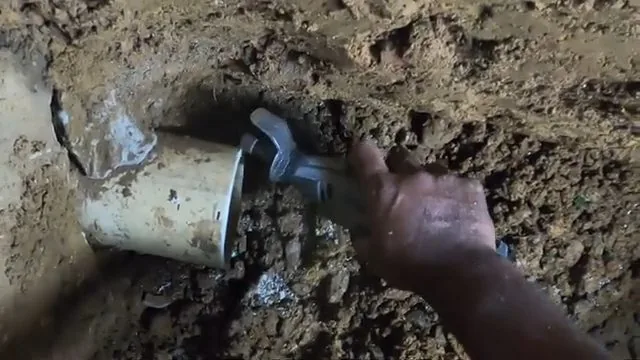
AP.
Water line repair · Ahwatukee, AZ
Water Line Replacement | in Ahwatukee, AZFind the leak between the meter and the house
When you call about a water line, the dispatcher asks three things: where the water is showing up, what the meter does when every tap is off, and whether you own, rent or live under an HOA. Those answers decide whether the problem is inside the house, on your line to the meter, or on the City's side.
Call (480) 806-2944 ›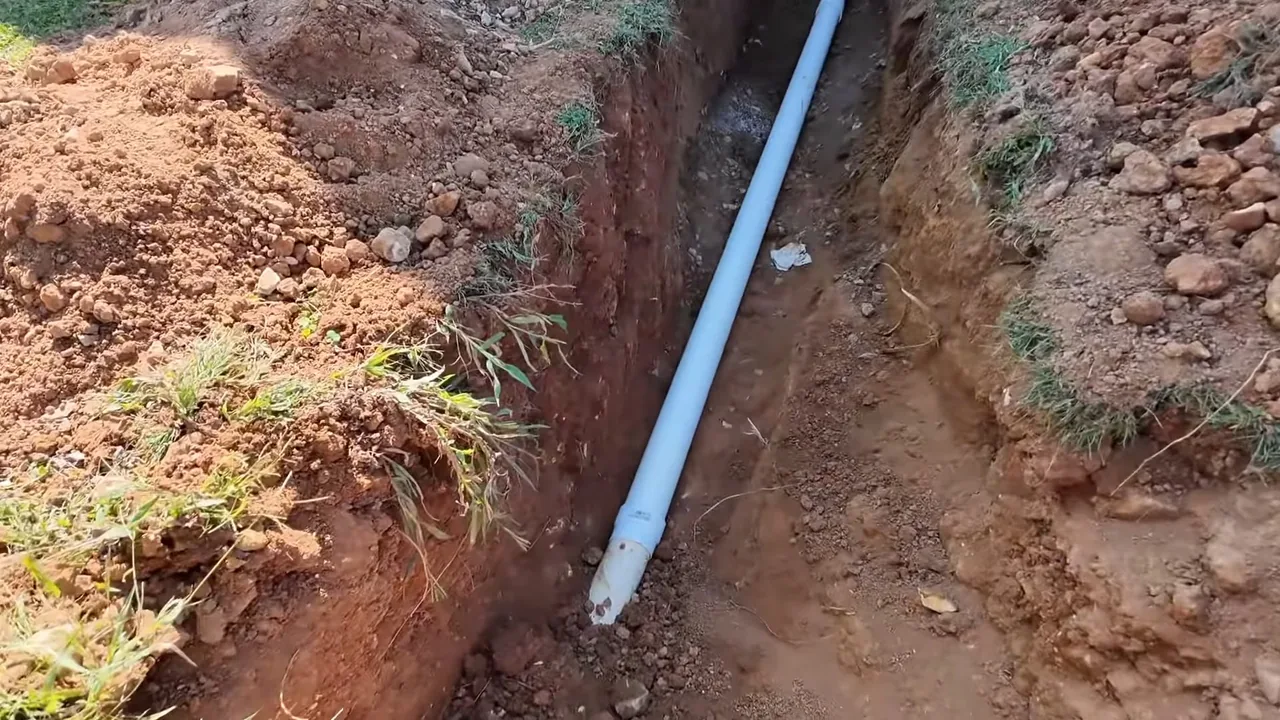
Water line replacement: when repairing the old line stops making sense
A service line carries water from the meter to the house, and it can be repaired or replaced. A repair is a short section cut out and joined. Replacement means running new pipe for the whole line, often because the old pipe has failed in more than one place or runs under something expensive to dig twice. Ask the plumber what material the line is made of today, how many failures it has had and what the replacement would be made of.
Do not rely on a house's age to answer the material question. This page makes no claim about what lines in Ahwatukee are made of; the plumber identifies the pipe where the line enters the house and at any excavation. Ask for that identification in writing.
Main water line repair: finding the leak between the meter and the house
The meter check separates inside leaks from line leaks. Close every tap, read the meter, then shut the valve where the line enters the house. If the meter keeps turning with that valve closed, water is escaping on the line between the meter and the house. Signs include a soggy patch in the yard, a section of driveway or slab that stays damp, hissing near the meter box and pressure that falls without a visible cause.
| Part of the system | Usually responsible | Notes |
|---|---|---|
| The City main and the meter | The City of Phoenix | Call the City if the leak is on its side of the meter. |
| Service line, meter to house | The property owner | The City says owners maintain private lines connecting to its mains; responsibility may vary. |
| Piping inside the house | The property owner | A leak here shows when the meter stops with the house valve closed. |
| Shared lines in a condominium or townhome | Ask the HOA | The association may own or maintain the shared pipe. |
Nothing on the City's page pins down the exact boundary, so ask the plumber to note how far the leak is from the meter and to photograph it. That record helps if the leak sits near the dividing line.
Need help finding which side the leak is on? Call the dispatcher.
Call the dispatch line: (480) 806-2944Plumbing service line repair: soggy yards, low pressure and hissing meters
Yard service line leaks show in the yard before they show in the house, and a new water line installation follows the same locate-and-dig steps as a repair. Look for a patch that stays wet when the sprinklers are off, a depression in the soil, grass that grows greener along a strip or water at the curb. Inside the house, you may notice weak pressure, air spitting from taps or a meter that never rests. Hot-water pipes under a slab are a different case and go to slab leak work.
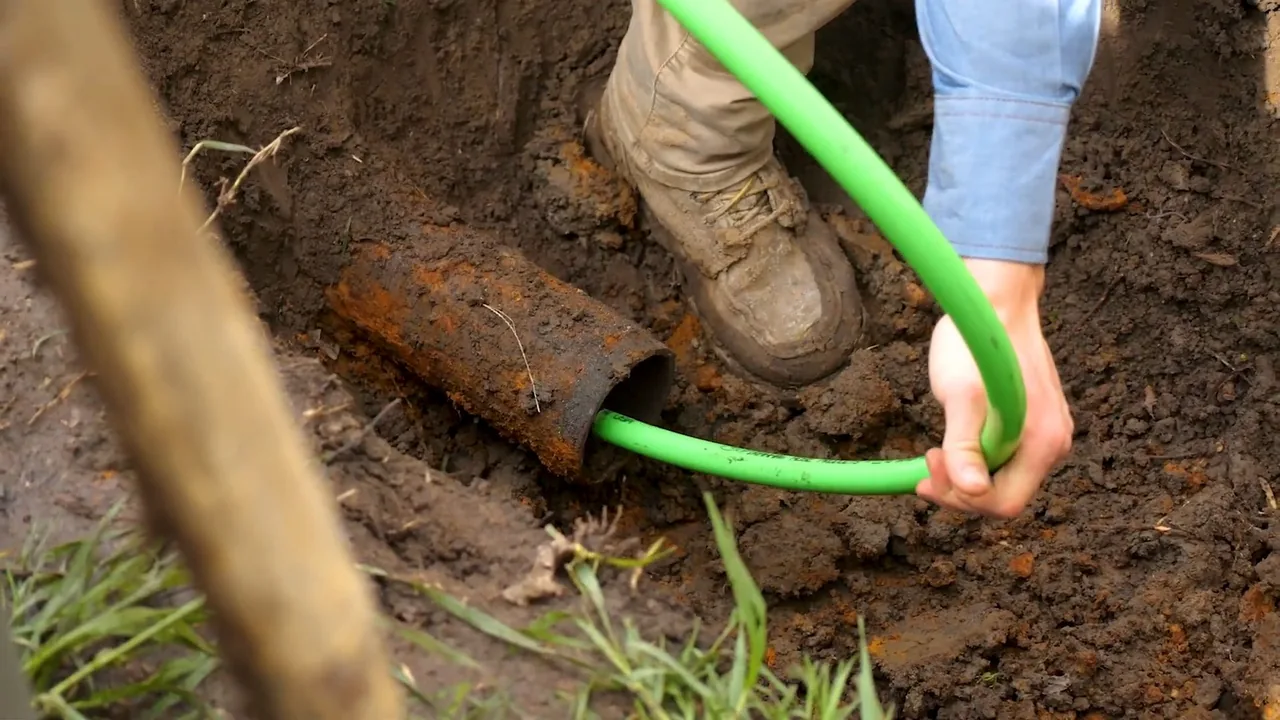
Pressure regulators, low pressure and high pressure
A pressure regulator, also called a PRV, is often a bell-shaped valve near where the line enters the house, holds the pressure the fixtures see. When it wears out, pressure may climb, which strains fittings and hoses, or drop, which weakens showers. A gauge on a hose bib shows the pressure in seconds. Ask the plumber to test it and to replace the regulator if the reading is outside the range the manufacturer specifies for your fixtures.
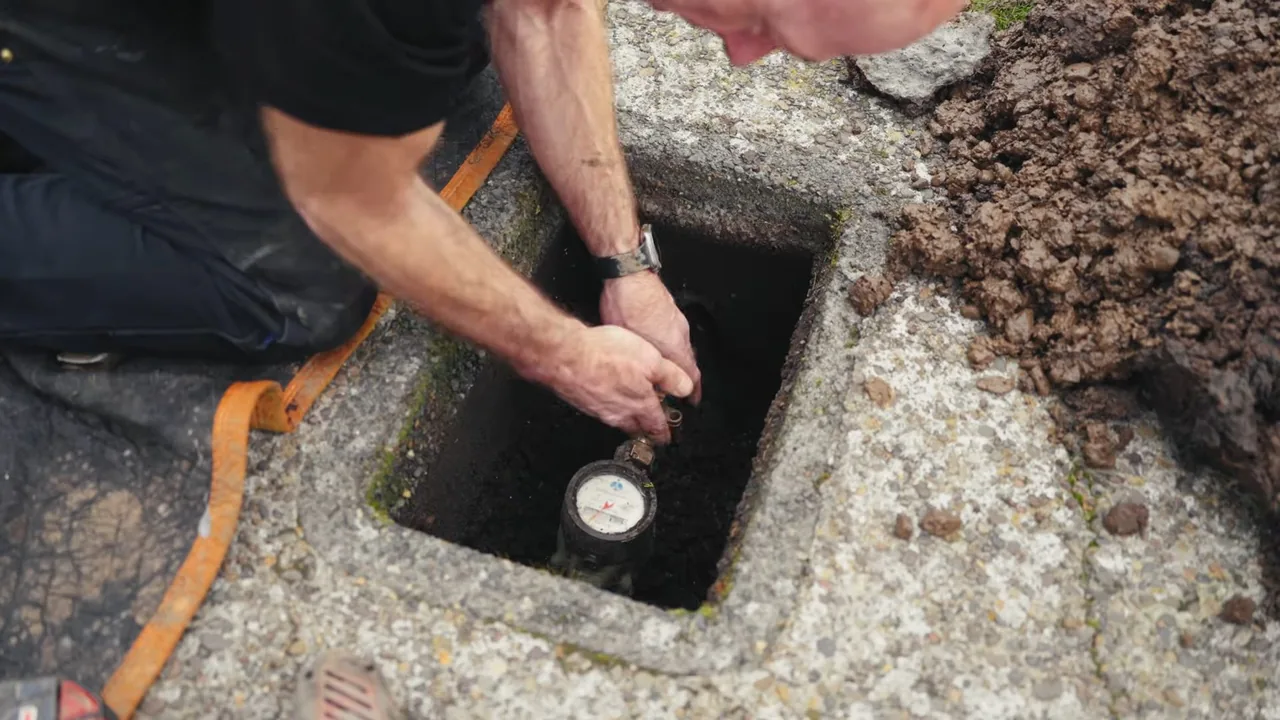
The water meter and the main shutoff valve
Know where both are before you need them. The meter belongs to the utility, and its lid should not be forced. The main shutoff valve at the house is yours to operate; test that it turns and closes fully, since a valve that is stuck or leaking is a hazard in an emergency. If the valve will not close, tell the plumber, because replacing a shutoff valve is routine work worth doing before a leak.
Digging, burial depth and what the inspector looks for
Replacing a service line means a trench, and two rules shape it. Arizona 811 asks for two full working days of notice before a trench opens, and inside 24 inches of a marked line only hand tools are allowed. The plumber files the ticket. Do not dig yourself.
Also covered on water line calls: high water pressure, the main water line itself, shutoff valve replacement and pressure testing of the line before it is closed. For leaks inside the house, start with finding a leak in the house.
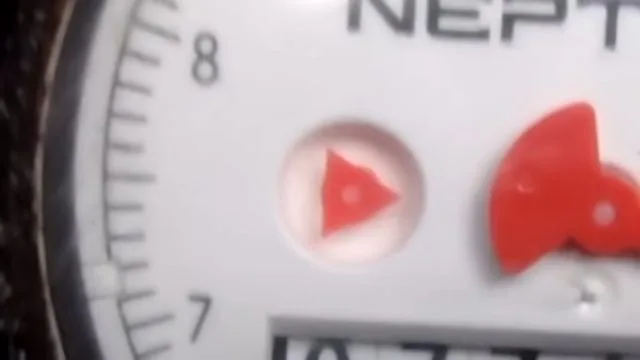
Reading the meter: dial, digits and the leak indicator
Meters differ, so read yours carefully. Many have a small leak indicator that spins or flashes when any water moves, and a register that counts in gallons or cubic feet. Write down the reading and the time, use no water for an hour and read it again. Photograph both readings with the date visible. The two photos are your evidence if the line proves to be leaking and you need to discuss it with the plumber or the City.
Water line questions answered
How do I know if my pressure regulator is failing?
Signs are pressure that is far too high or too low, a hammering sound when taps close, and a relief valve that keeps dripping. A gauge on a hose bib tells you the pressure. If the reading is out of range, the plumber can adjust or replace the regulator.
What if I have no water at the house?
Check whether the neighbors have water, then check that the main shutoff valve is fully open. Look at the meter, which may be turning if there is a leak. If neighbors are dry too, the cause may be in the City's system. Call the dispatch line if only your house is affected.
What if a water main is leaking under concrete?
Leaks under a driveway or slab are located first, usually with listening equipment and pressure tests, and then repaired or rerouted. If the leak is on your side of the meter it is the owner's to fix, and the work may involve cutting concrete and a call to Arizona 811.
What does the water meter tell me?
It tells you whether water is leaving your system. With every tap closed, a turning dial or moving leak indicator means a leak. Closing the house main and checking again narrows it to the line or the house.
Water line leaking or no water at the house? Call now.
Say what the meter shows and where the water appears. A plumber serving your area is routed to the address, and license details are available on request before work begins.
Call (480) 806-2944