AP.
Gas line service · Ahwatukee, AZ
Gas Line Service | in Ahwatukee, AZEmergency help for gas smells, repairs and new runs
Gas line modifications require a permit in Phoenix, which means gas work is never casual. A gas smell is a different matter again: leave first and call the gas utility or 911. This page covers what a plumber does after that, and the questions to ask before a gas pipe is cut, capped or added.
Call (480) 806-2944 ›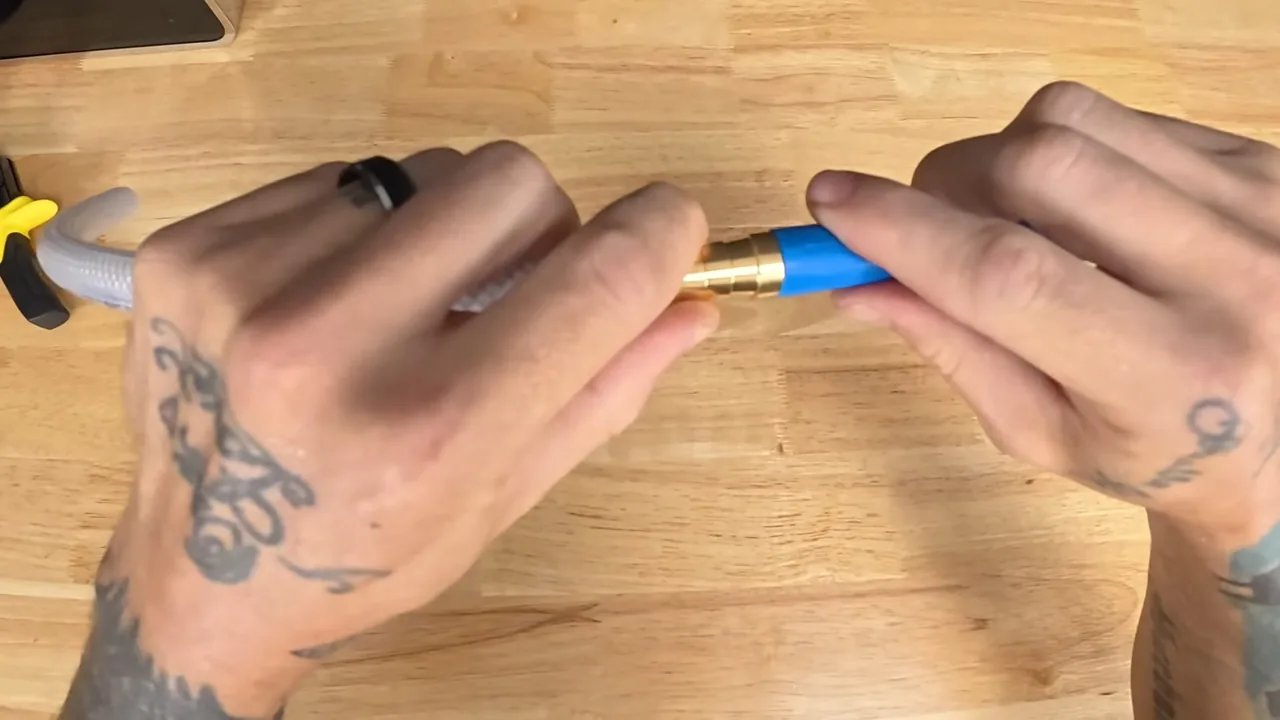
Gas smell: leave first, then who to call
A plumber does not diagnose a gas smell from inside a house that may hold gas, and a plumber who is called first will tell you to leave and call the utility. After the utility has checked the house and shut off or cleared the gas, a licensed plumber can find and repair the piping fault, test the repair and restore service. Ask the plumber to explain what was found, what was repaired and what the test showed.
Signs of a gas leak include a rotten-egg smell, a hissing sound near a pipe or appliance, and dead vegetation above a buried line, and the common causes are a leak at an appliance connection, a corroded section of pipe or a failed fitting. Natural gas plumbing is a licensed trade for this reason. None of them is a do-it-yourself job, including tightening a fitting or applying a sealant.
Gas pipe repair: what gets fixed once the area is safe
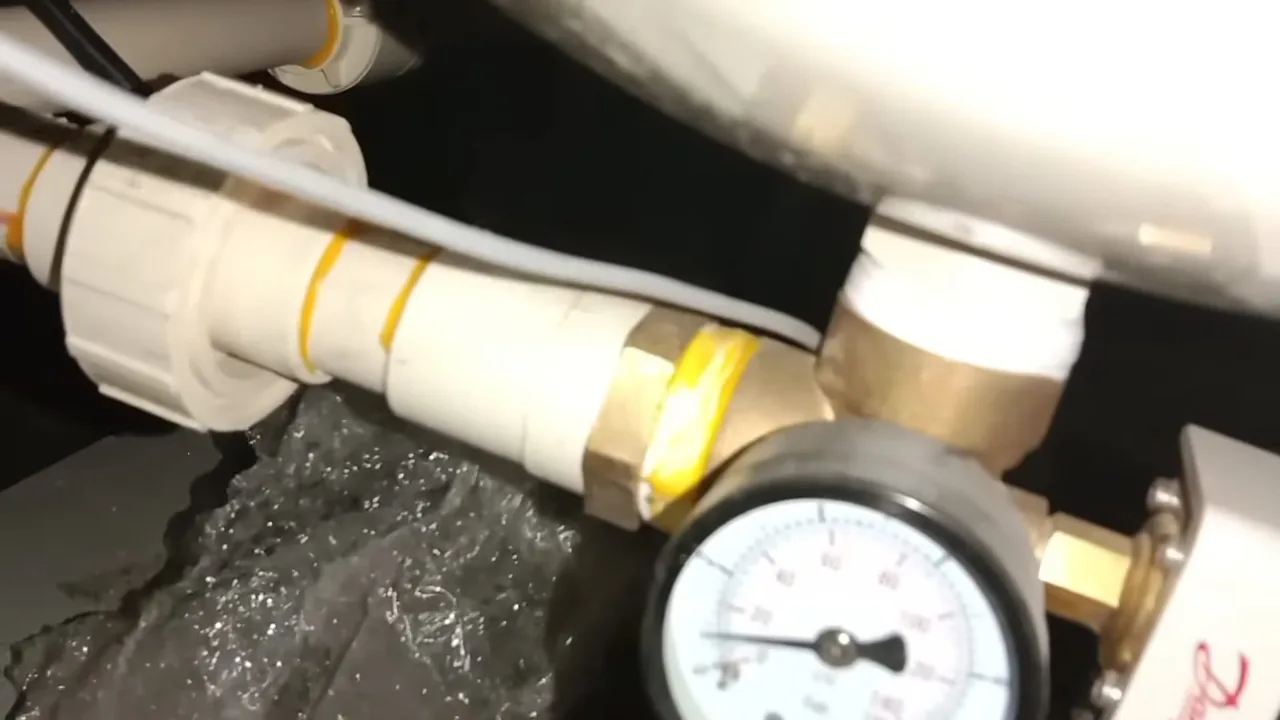
A repair starts with finding the failure, usually by testing the system with a gauge or a leak-detection solution. Corroded or damaged sections are replaced, failed fittings are renewed and appliance connectors are swapped. Then the plumber pressure-tests the repaired piping and confirms the appliances operate. The table sorts the three types of gas job by what they involve.
| Job | What it involves | Permit question |
|---|---|---|
| A gas smell | Leave, call the utility or 911, wait for clearance, then repair | Repair may be part of a modification; ask |
| Repairing a damaged pipe or fitting | Locate the fault, replace the section, test and restore | Gas line changes are permitted work; ask who pulls the permit |
| A new run or an appliance hookup | New pipe, a shutoff valve, a test and a final connection | Ask who files, and when an inspector visits |
Not sure whether yours is a repair or a new run? Ask the dispatcher.
Call the dispatch line: (480) 806-2944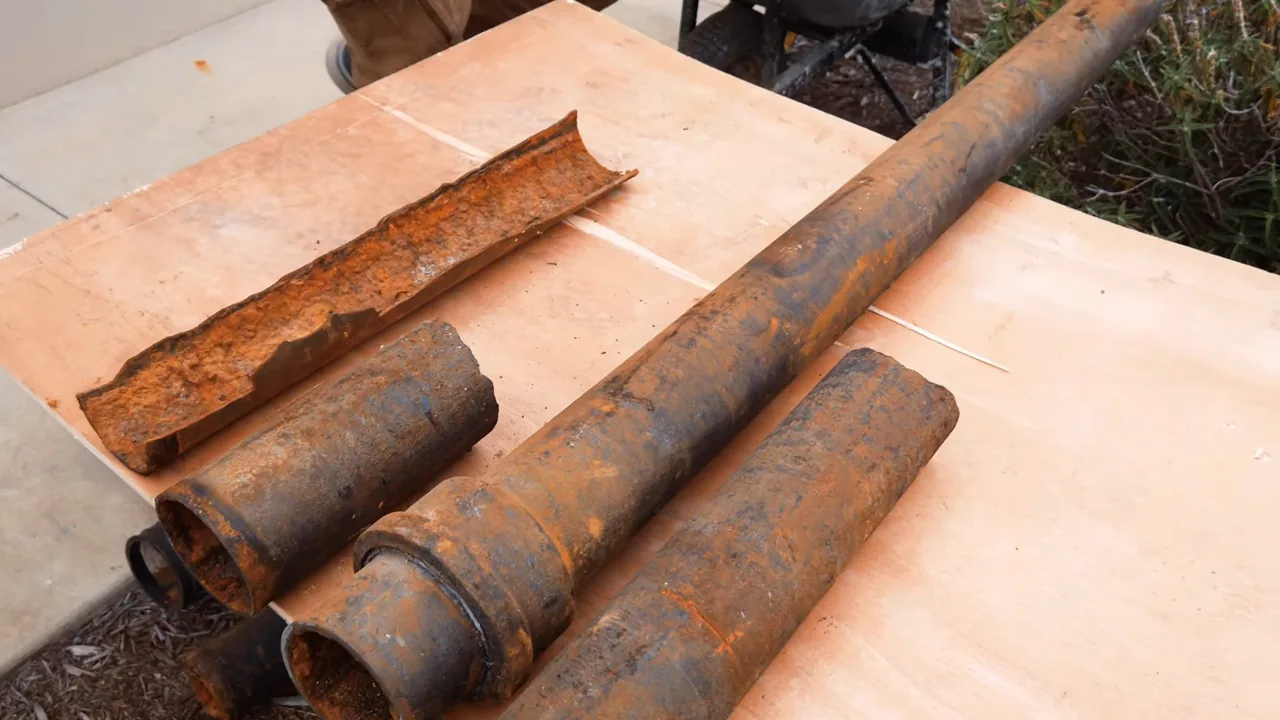
Black iron or CSST: what a replacement uses
Two piping types are common in houses. Black iron is rigid steel pipe with threaded joints, and CSST is a flexible corrugated stainless tube used to run gas through walls and attics with fewer fittings. Each has installation rules, including bonding for CSST, and neither is a casual swap. Ask the plumber which is proposed, why and what the manufacturer requires, and ask that the pressure test result be written down.
Gas line installation: new runs, hookups and a gas stub
A new gas line serves an appliance that did not have one, or moves one. The plumber sizes the pipe for the load, runs it, installs a shutoff valve at the appliance, tests it and connects the equipment. The appliances that most often need new gas runs are ranges, dryers, fireplaces and grills, and generators. A barbecue stub on a patio is a typical small job.
Ask whether the existing meter and supply line can carry the added load, since a long run or several appliances can exceed what the line was sized for. Ask who files the permit, since the City treats gas line modifications as permitted work. Propane installations have their own rules and are named here only so you know to ask.
- Which appliances will use gas, and what is each one's rating?
- Is the existing gas line large enough for the added load?
- Which pipe type is proposed, and why?
- Who files the permit, and who books the inspection?
- What pressure test is done, and will the result be written down?
Appliance hookups: range, dryer, fireplace, grill and generator
Each appliance brings its own questions. A gas range needs a shutoff valve within reach and a connector rated for the appliance, and a range that is moved needs the connector checked for kinks. A gas dryer needs the same valve and a vent that carries exhaust outside. A fireplace or log lighter needs a pipe to the firebox and a valve that can be operated safely.
A grill needs a stub with a quick-connect or a fixed line, and a generator needs a line sized for its full load, since an undersized pipe starves it when it is needed most.
Hookups are a good time to ask the plumber to look at the rest of the gas piping. A small appliance job is the easiest moment to notice corrosion, a missing shutoff or a flexible connector past its useful life.
Pressure test and paperwork
A gas pressure test holds the piping at a set pressure for a set time and watches the gauge. A pipe that holds passes; one that drops has a leak. Ask for the test pressure, the duration and the result, and for the inspection record if a permit applies. Keep these papers with the appliance manuals; they show that the work was tested, and a later plumber can compare the numbers.
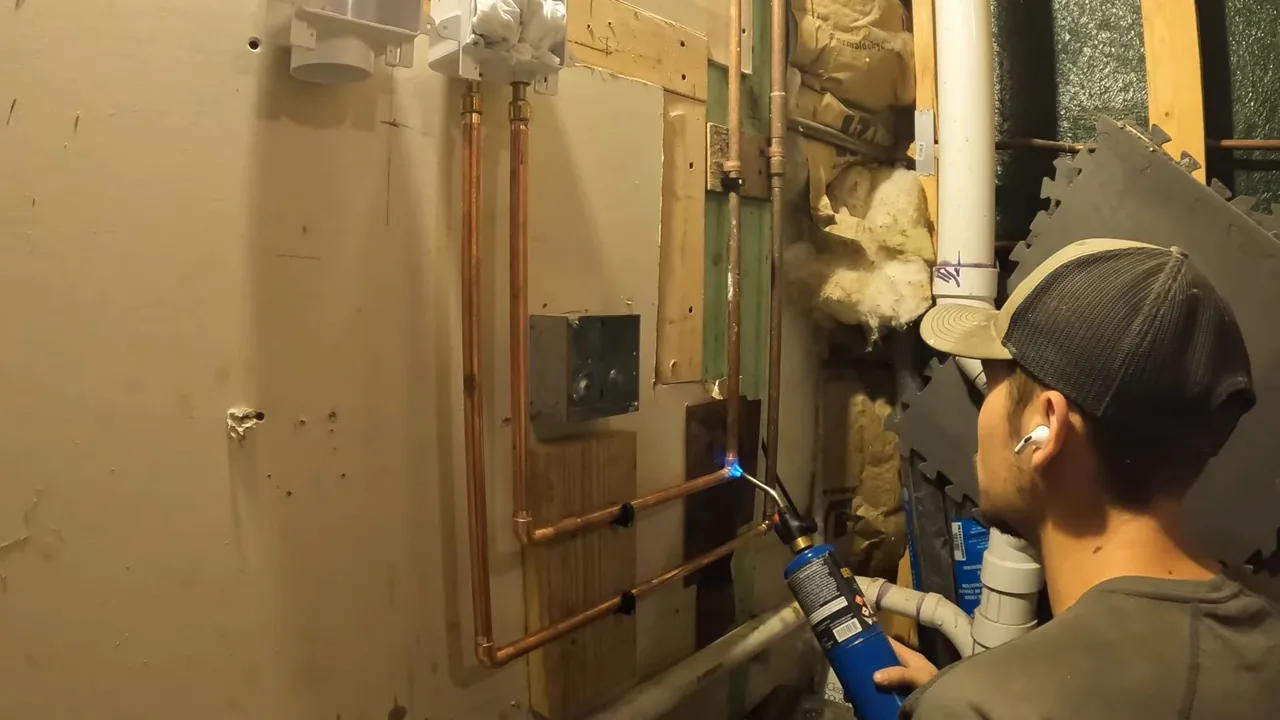
Marking the gas shutoff before you need it
Find the gas shutoff valve at the meter and at each appliance, and keep the tool that operates the meter valve where you can reach it. Do not turn the meter valve off unless there is a reason, since the utility, not you, relights the system afterward. Write the location of each valve on a card and tape it near the panel so that anyone in the house knows where to look.
Also covered on gas calls: inspection and pressure testing, appliance hookups, propane questions and after-hours or same-day gas work through the emergency plumber line.
Gas line questions answered
Who fixes gas leaks?
If you smell gas, the gas utility or 911 comes first. After the area is cleared, a licensed plumber repairs the piping fault. Ask for license details before work begins; the dispatch line offers them on request.
What is the difference between black iron and CSST?
Black iron is rigid threaded steel pipe. CSST is flexible stainless tubing that runs through walls and attics with fewer joints. Each has installation requirements, and the plumber should tell you which is proposed and what test follows.
Who runs new gas lines in a house?
A licensed plumber installs a new gas line, with a shutoff valve at the appliance and a pressure test. The City treats gas line changes as permitted work, so ask who files and when an inspector visits.
Do I need a permit to cap a gas line?
Capping changes the gas piping, and Phoenix says projects with gas line modifications require a permit. Ask the plumber whether your cap needs one, who files it and what inspection follows. A capped line should be tested and the test recorded.
Need gas line work? Call the dispatch line.
Describe the appliance or pipe and whether you smelled gas. A plumber serving your area is routed to the address, and license details are available on request before work begins.
Call (480) 806-2944