AP.
Water heater installation · Ahwatukee, AZ
Water Heater Replacement | in Ahwatukee, AZWhat changes, what needs a permit, what the inspector checks
A like-for-like water heater swap by a licensed contractor in a one or two family home needs no plumbing permit from the City of Phoenix. That holds only for a straight swap, so the first decision is whether your job is one, or a change that brings permits.
Call (480) 806-2944 ›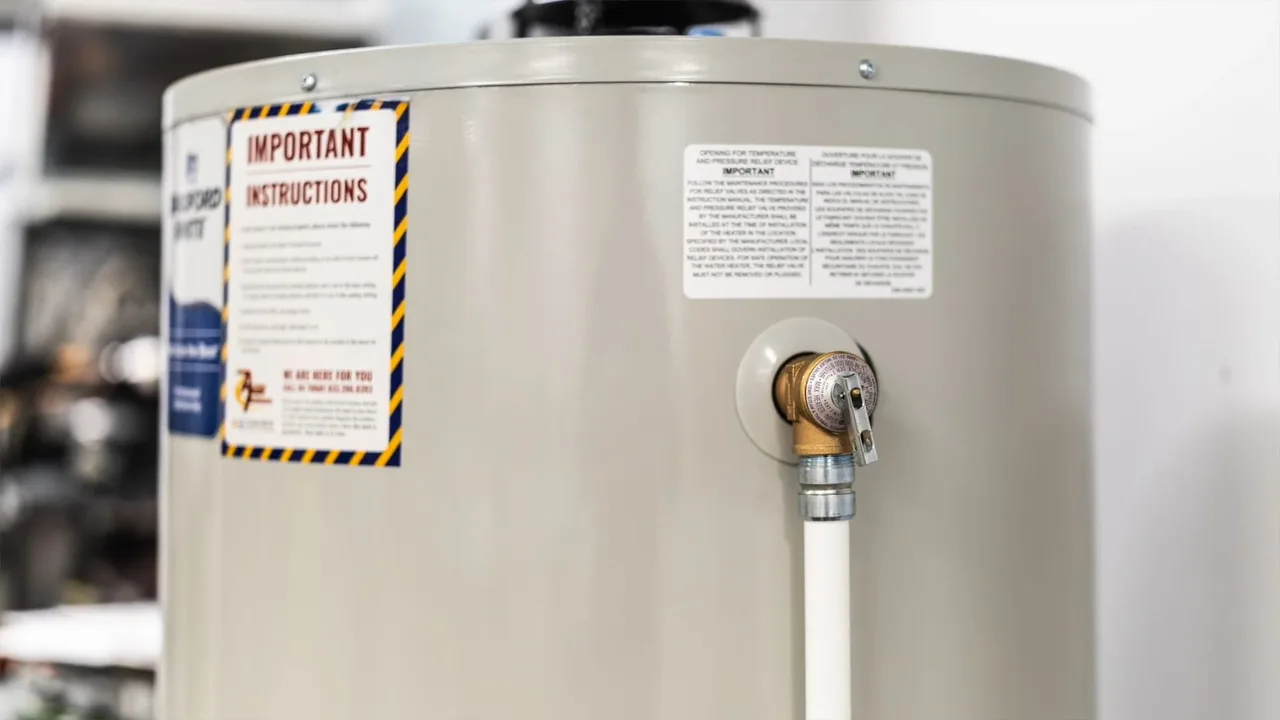
Replace a water heater: like for like, or a change that brings permits?
Vendor pages often say Phoenix always requires a water heater permit. The City's own exemption list says otherwise for a like-for-like swap done by a licensed contractor, so the answer depends on what changes. The table separates the cases.
| Your job | Usually a straight swap? | What to ask |
|---|---|---|
| Same fuel, same location, similar size | Yes | Confirm the contractor is licensed and ask for the permit exemption to be noted on the invoice. |
| Moving the heater to another spot or room | No | Ask who files the permit and when an inspector comes. |
| Switching between gas and electric | No | Ask what new gas or electrical work is needed and who handles it. |
| Changing gas piping, venting or a gas line for a new unit | No | Gas line changes are permitted work in Phoenix; ask who pulls the permit; see gas line work. |
| Replacing a tank with a tankless unit | Usually no | Gas and venting changes are likely; read the tankless page first. |
Gas, electric, hybrid or heat pump: what each changes
A gas tank heater needs a gas line, a vent and combustion air. An electric tank needs a dedicated circuit of the right size and no vent. A hybrid or heat pump water heater uses a heat pump to move heat from the surrounding air into the tank, which means it needs room, airflow and a drain for condensate. Each choice changes what the job involves before the first fitting is made.
Point-of-use and under-sink units serve one fixture and suit a distant sink or a small addition, not a whole house. Sizing is the other choice: tank capacity in gallons has to match how many people use hot water and when, and a plumber should ask about showers, tubs and appliances before recommending a size. The tank-versus-tankless question is covered under tankless installation.
- Gas: ask about the vent path, combustion air and whether the gas line size supports the unit.
- Electric: ask whether the circuit and breaker match the heater, which an electrician may need to confirm.
- Hybrid or heat pump: ask about clearance, airflow, the condensate drain and the noise of the fan.
- Any type: ask how the old unit leaves your home and where the new one sits on a drain pan.
Expansion tank, relief line and valves: what the inspector checks
Heating water makes it expand. In a closed system, such as a house with a pressure regulator or check valve at the supply, that expansion has nowhere to go, and an expansion tank gives it room. Ask whether your system needs one, where it will be mounted and who checks the air pressure in it. Expansion tank repair or replacement is a routine add-on when an older tank has lost its air charge. A failed expansion tank shows up as a relief valve that drips or pressure that spikes.
City of Phoenix's residential inspection checklist names the items that matter at this job: a full-way valve at the water heater and at the dwelling inlet, and a temperature and pressure relief line that runs to the exterior. Its list also covers service-line items, such as tracer wire on plastic lines and burial depth, which matter for line work rather than a tank swap. Ask the plumber to confirm each applicable item and to tell you what an inspector would look at if a permit applies.
Planning a replacement? Tell the dispatcher what you have now.
Call the dispatch line: (480) 806-2944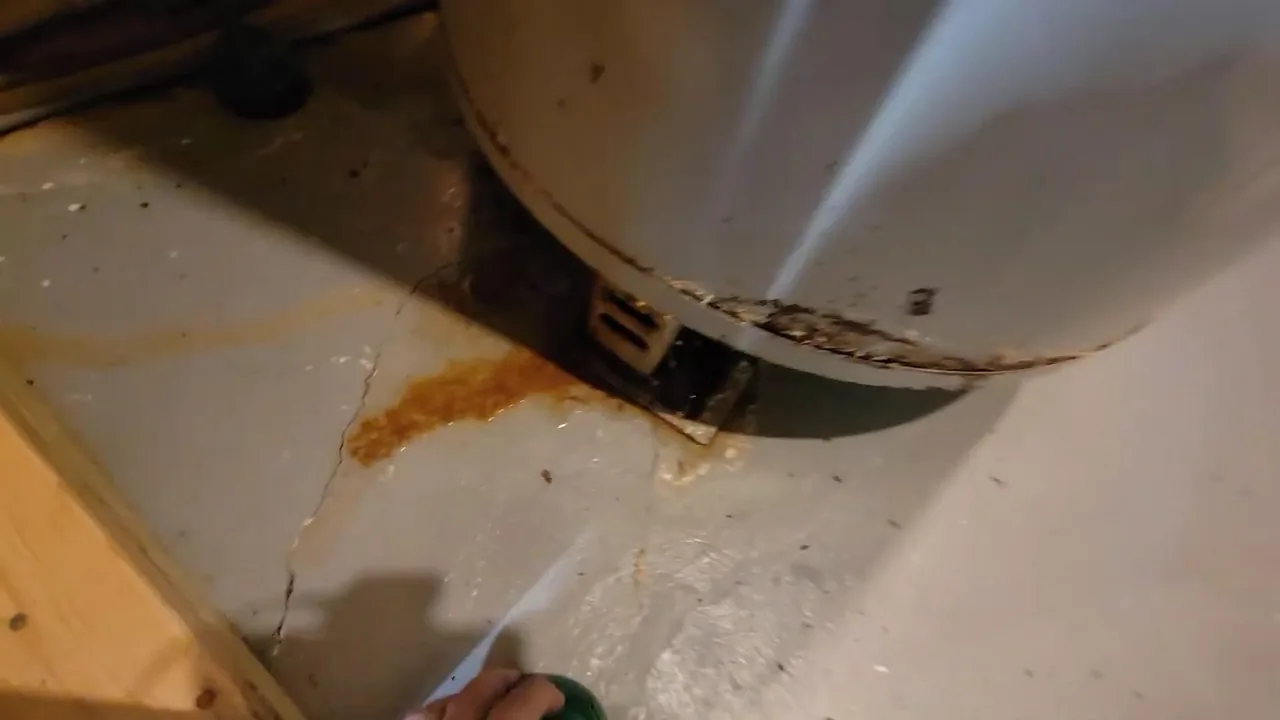
Installer or company: what to ask before you agree
Ask for license details before work begins, which the dispatch line offers on request, and check them yourself on the Arizona Registrar of Contractors search by name, number, classification or city. Ask who will do the work, whether that person will be on site, whether the old heater is hauled away, and how the replacement is documented. A plumber who is confident about the work answers each of these directly.
Water heater installation service: what the job day looks like
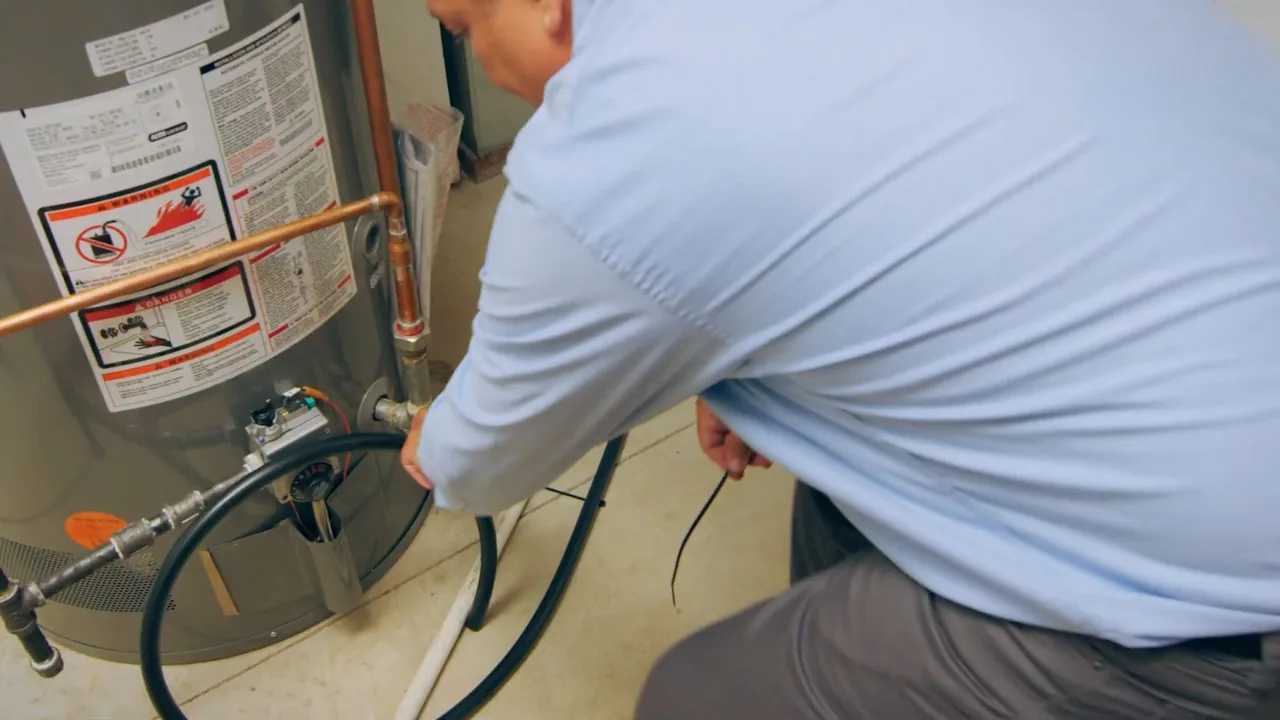
A tank replacement usually takes part of a day. The steps below describe a typical sequence; your own job may add steps for relocation or fuel changes. Hard water is the local factor to raise on the call: Phoenix's own 2025 numbers put hardness between 10 and 17.6 grains in a gallon, so ask whether the plan includes a scale-reducing step and whether a softener belongs in the conversation (see softener and filtration options).
Also covered on installation calls: sizing in gallons, point-of-use and under-sink units, and same-day or after-hours replacement when a heater has failed, which goes through the 24/7 emergency plumber line.
Sizing in gallons: matching the tank to the household
Tank size is a balance between peak demand and floor space. A household that runs two showers and a dishwasher at once needs more stored hot water, or faster recovery, than one person living alone. Tell the plumber who lives in the home, when hot water is used and whether a large soaking tub is in the picture, and ask for the reasoning behind the size recommended. Quote the same numbers when you compare bids.
Where the heater sits: garage, closet or attic
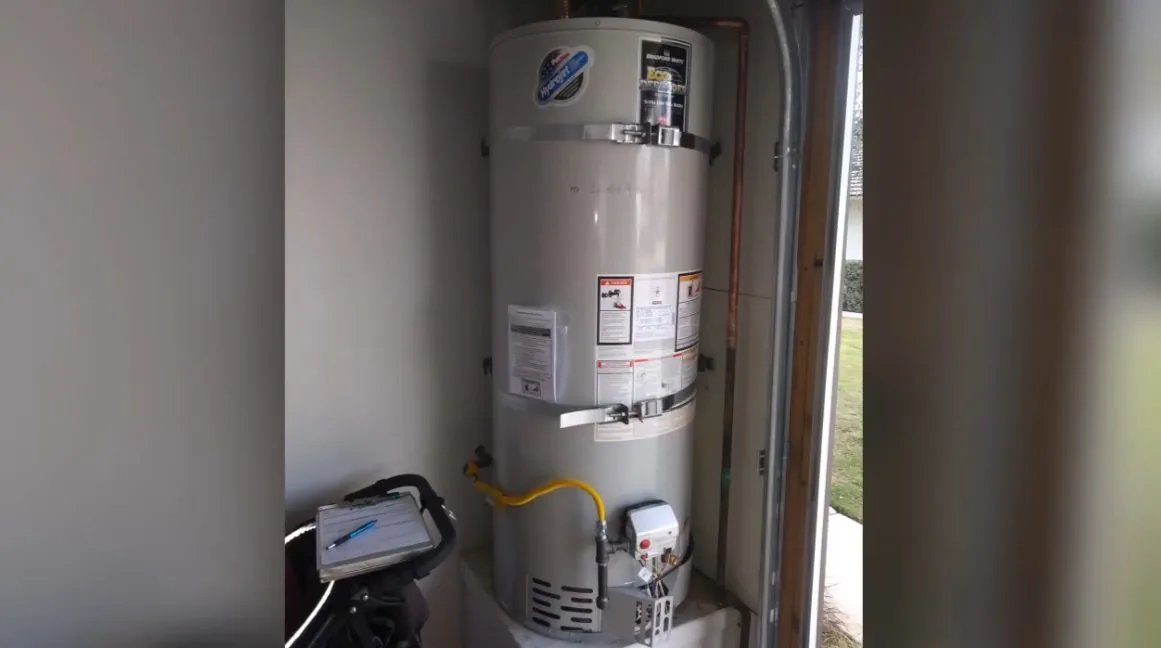
Location changes the job. A garage unit needs protection from impact and a clear vent path. A closet unit needs combustion air for a gas heater. An attic unit needs a drain pan and a drain that carries a leak out of the house, because a failed tank there can damage a ceiling below. If the new heater is going somewhere other than the old spot, it counts as a relocation, and the permit question changes.
Water heater installation questions answered
Do I need a plumber to install a water heater?
For a gas heater, yes: gas, venting and combustion air are work for a licensed plumber. City of Phoenix rules exempt a like-for-like replacement from a plumbing permit only when a licensed contractor does it. An electric heater still involves water connections, a relief line and a circuit, which is plumbing and electrical work together.
What size water heater do I need?
Size follows demand: how many people use hot water, how many fixtures run at the same time and how fast the heater recovers. A plumber should ask about your showers, tubs and appliances before naming a size. A larger tank is not automatically better, since it heats more water than you may use.
Can two water heaters be replaced in one visit?
Yes, if the plumber has the units, valves and time, and each location is a like-for-like swap. Say on the call that there are two so the visit is planned for both. If either one is moving or changing fuel, ask how the permit applies to each.
Can I switch from gas to electric, or the reverse?
It is possible, but it is a change rather than a swap. Switching to electric may need a new circuit, and switching to gas needs a gas line and a vent. Gas line changes are permitted work, so ask who files before you accept the quote.
Replacing a water heater? Call and describe the job.
Say whether the heater is gas or electric and whether you want the same type back. A plumber serving your area is routed to the address, and license details are available on request before work begins.
Call (480) 806-2944