AP.
Fixture repair · Ahwatukee, AZ
Shower, Faucet & Toilet Repair | in Ahwatukee, AZCall a plumber for the fixture that will not quit
A toilet that runs after every flush, a faucet that drips at night or a shower that leaks into the wall is a small problem until the water bill or the floor says otherwise. This page helps you choose between repairing, replacing and moving a fixture, and says where a plumber is needed and where a permit comes in.
Call (480) 806-2944 ›
Repair, replace or move: what a fixture job needs
| Job | Permit? | What to ask |
|---|---|---|
| Replace a faucet, toilet or tub spout in the same place | Not under the City's guidance | Whether the supply valves and connectors are replaced at the same time. |
| Add a sink, toilet or tub, or move one to a new spot | Yes | Who files the permit and when the inspector comes. |
| Open a wall to reach a failed valve | Depends on the work | Whether the repair stays a repair or turns into replacing concealed pipe. |
| Tub-to-shower swap or a wet-space remodel | Ask | Which part is plumbing, and which parts belong to a remodeler. |
Wet-space plumbing is the scope here: drains, supply and fixtures in bathrooms, kitchens and laundry areas. Cabinetry, tile and finish carpentry belong to other trades, and an honest plumber says where the plumbing job ends.
Supply valve or fixture: how to tell where the drip starts
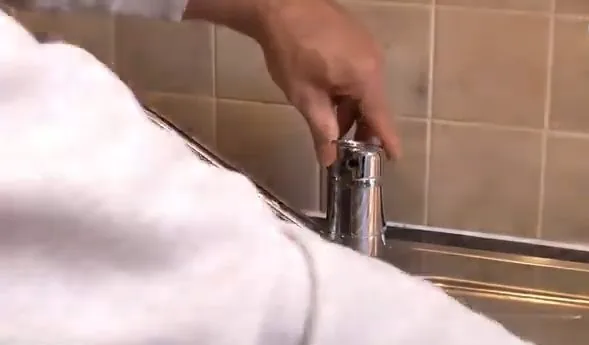
Before replacing a part, find the real source. Dry the area with a towel, wrap a strip of dry tissue around the suspect joint, and check it after ten minutes. Tissue that darkens at the valve points to the supply valve or connector. Tissue that darkens at the spout or under the handle points to the fixture itself. A leak that only shows when the valve is open is on the fixture side, and one that shows with the valve closed is the valve.
The small shutoff valves under sinks and behind toilets are called supply, stop or angle valves. They fail with age, sometimes by seizing and sometimes by dripping from the stem. Replacing a worn one is routine, and it is the best time to renew the braided connector beside it.
Toilet repair in Ahwatukee: running, weak flush and rocking
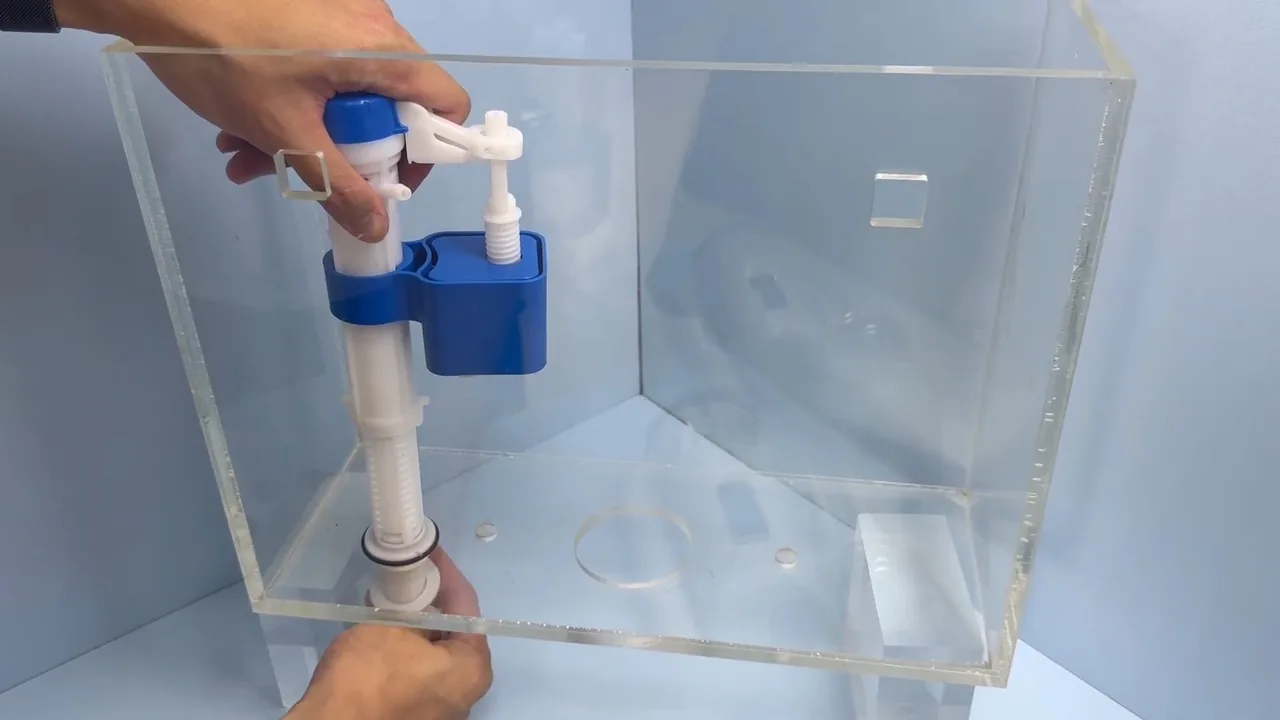
Most toilet problems come from the tank. A flapper that no longer seals lets water leak into the bowl, so the fill valve runs to refill the tank every few minutes. A flush lever whose chain is too long or too tight stops the flapper from seating. A fill valve with a worn seal keeps water running into the overflow tube. Each is a short repair, and a plumber replaces the whole set when the parts are old.
Toilet leak detection starts with the dye test above, and a weak flush points to clogged rim holes, a low water level in the tank or a partial blockage in the trap. A toilet that rocks has a loose bolt or a worn flange, and ignoring it can break the wax seal and leak onto the subfloor. If the base shows any moisture, stop using the toilet until it is checked.
A running or clogged toilet: the quick checks
- Lift the tank lid and look: is water flowing into the overflow tube?
- Press the flapper down by hand. If the running stops, the flapper or its chain is the problem.
- Check that the water level sits below the overflow tube by about an inch.
- For a clog, use a plunger made for toilets before anything else.
- If water rises in the bowl or other fixtures gurgle, stop and call.
Toilet installation: replacing a toilet and setting a new one
A replacement toilet should sit flat on a sound flange, seal with a fresh wax or foam ring and connect to a new supply line. The plumber checks the flange height, the floor around it and the shutoff valve before setting the bowl. A dual-flush or a taller comfort-height model uses the same footprint in most bathrooms, but the rough-in distance from the wall to the drain must match, so measure before you buy.
Moving a toilet to another spot is a different job. It means new drain and vent piping, and Phoenix lists moving or adding a toilet among the work that needs a permit. A bidet seat or attachment adds a supply tee and sometimes an outlet, so tell the plumber if you plan one.
Faucet repair: drips, low flow and a handle that will not hold
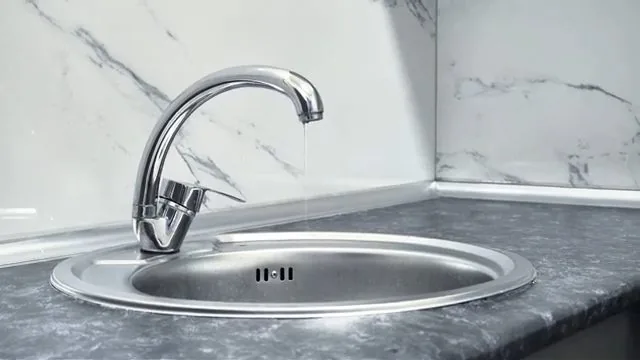
Leaky faucets waste water around the clock, and a drip means a worn washer, cartridge or seat. A faucet with weak flow usually has a clogged aerator, scale in the cartridge or a partly closed supply valve. A handle that loosens points to a worn set screw or a cartridge that has failed. Single-lever faucets use cartridges, and two-handle faucets use washers or ceramic discs. A plumber identifies the model before ordering parts.
Scale is the local factor. Hard Phoenix water, up to 17.6 grains per gallon in the City's 2025 report, leaves white crust on aerators and cartridges. Cleaning the aerator with vinegar is a safe first step, and persistent crust is a reason to ask about the options under softener and filter choices.
Installing or replacing a faucet
A new faucet fits the holes already in the sink, so count them before you buy: one, three or four. The plumber shuts off the supply, disconnects the old unit, cleans the mounting surface and sets the new one with fresh connectors. A kitchen faucet with a pull-down spray or a built-in filter needs extra room under the sink for the hose and weight. Ask for the old connectors to be replaced, not reused.
Kitchen plumbing: the sink, the faucet and the lines below
The kitchen sink concentrates most of the plumbing a household uses: the faucet, a sprayer, the dishwasher supply and drain, a disposal and often an ice maker line. Leaks here are usually under the cabinet, where a slow drip can stay hidden for months and rot the floor. Open the cabinet every few weeks and look at the traps, the supply connectors and the dishwasher hose.
Appliance hookups for dishwashers, washers and ice makers are plumbing work too: a supply with a shutoff, a drain connection and a connector rated for the appliance. A garbage disposal has its own page at disposal repair and replacement, and a slow kitchen drain is a drain-cleaning question.
A plumber for shower repair in Ahwatukee: valve, head and leak
Shower problems divide into three. A valve that drips, drifts hot or cold or will not shut off is a cartridge or a valve body problem. A showerhead with weak spray is usually scale in the nozzles. A shower that leaks into the room beside or below it is a pan, a drain seal or a valve connection behind the tile. The first two are quick repairs and the third can mean opening the wall.
Have the plumber test before cutting. A plugged drain filled with water for a few hours shows whether the pan holds. Testing the valve separately shows whether the leak is under pressure. That order keeps the repair as small as the problem and tells you whether tile work, which belongs to a tile contractor, is part of the fix.
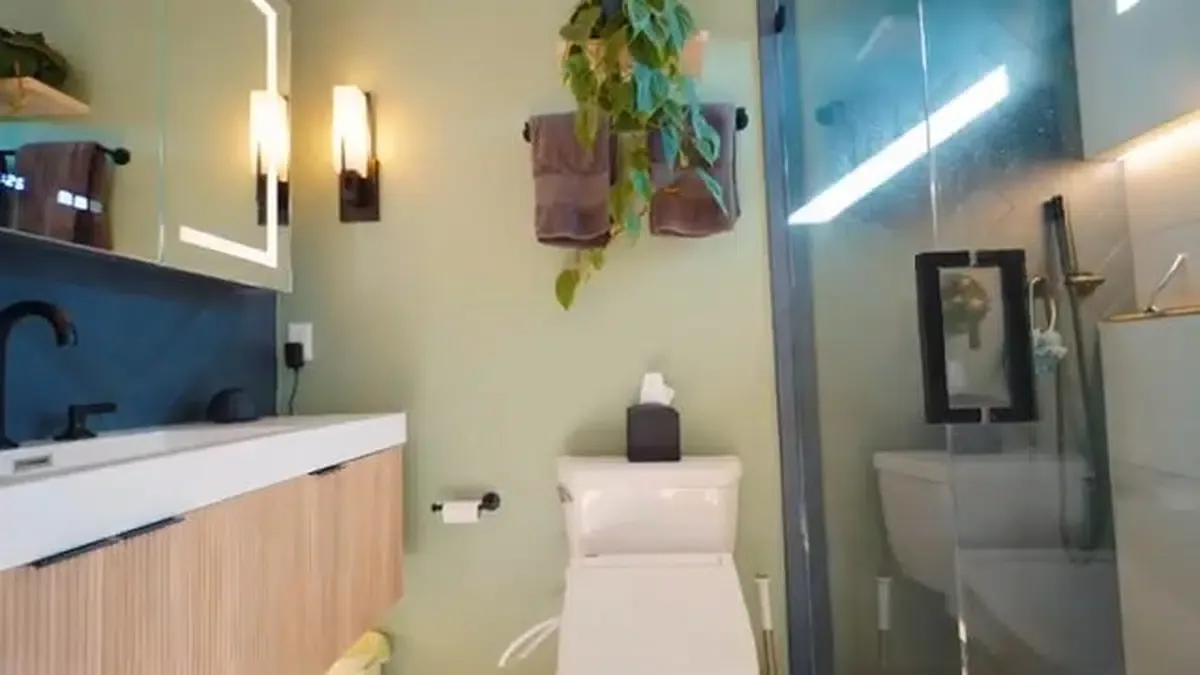
Remodels and rough-in: getting the pipes right before the walls close
A bathroom or kitchen remodel decides where drains, vents and supplies go before the walls are closed. The rough-in stage sets the toilet's distance from the wall, the shower valve height and the drain locations, and a mistake here is expensive to correct once tile is down. Renovation plumbing and new construction plumbing share the same sequence, so ask the plumber to confirm the fixture dimensions against the plan, to pressure-test the new lines and to take photos of the pipes before drywall covers them.
Bathtub installation and bathroom sink or vanity leaks
A tub that is replaced in the same spot reuses the existing drain and supply, and the work is mostly connecting the overflow, the waste and the spout. A tub in a new spot needs new drain piping and a permit. Ask whether the existing valve will be reused or replaced while the wall is open, since a new valve is simple to add then and harder to add later.
Bathroom sinks leak at the P-trap, the supply connectors, the pop-up drain and the faucet base. A vanity that smells musty usually has a slow leak at one of them. The fix is a new gasket, washer or connector. If the cabinet floor is soft, tell the plumber, because water damage has to be dealt with as well as the leak.
When the fixture is not the problem: drains, pressure and hookups
Some fixture complaints are not fixture problems. A toilet that gurgles when the shower runs, or a sink that drains slowly, is a drain question and belongs with clogged drains. A faucet that sprays and hammers or a toilet that refills loudly may be seeing high pressure, which a regulator controls, as explained under water line and pressure work. An outdoor faucet or hose bib that drips needs a washer or a new valve, and one that leaks inside the wall needs a plumber's attention soon.
Also handled here: ADU plumbing installation, tub-to-shower conversion plumbing, dual-flush toilet installation, plumbing system upgrades such as energy-efficient low-flow fixtures, shutoff, supply and angle valves, bidet seats, appliance hookups for washers, dishwashers and ice makers, outdoor faucets and hose bibs, and specialty installs such as a laundry room, a wet bar or toilet relocation.
Fixture questions answered
How do I fix a toilet flapper and flush lever?
Shut off the supply, flush to empty the tank, and unhook the old flapper from its ears or chain. Fit a new flapper of the same type and adjust the chain so there is a little slack when the flapper is closed. A lever that sticks or hangs can be re-seated or replaced. If water still runs, the fill valve may be the real cause.
Why does my toilet keep running?
Usually water is leaking from the tank into the bowl past a worn flapper, or the fill valve is not shutting off. A float set too high sends water down the overflow tube. Pressing the flapper by hand tells you whether it is the flapper. A silent leak can waste water without a sound, so check with a few drops of dye in the tank.
Do I need a permit to replace a faucet or toilet?
The City of Phoenix says replacing an existing fixture does not need one, while moving or adding a sink, toilet or tub does. If your job changes the piping behind the wall, ask the plumber whether the permit rule applies and who files.
Is the leak from the supply valve or the fixture?
Dry the area and watch it. A drip at the valve stem or connector with the valve open points to the valve. A drip at the spout or handle points to the fixture. Close the valve: if the drip stops, it was the fixture; if it continues, the valve is failing.
Fixture leaking or running? Call the dispatch line.
Say which fixture it is and where the water shows up. A plumber serving your area is routed to the address, and license details are available on request before work begins.
Call (480) 806-2944