AP.
Repiping and pipe repair · Ahwatukee, AZ
Pipe Break Repair | in Ahwatukee, AZEmergency help for bursts, and a plan when pipes keep failing
A pinhole spray in a wall, a brown water stain on a ceiling or a third leak in the same year is how most repiping conversations start. This page covers stopping a burst, working out which pipe you have, and deciding when the answer is a repair and when it is a new set of pipes.
Call (480) 806-2944 ›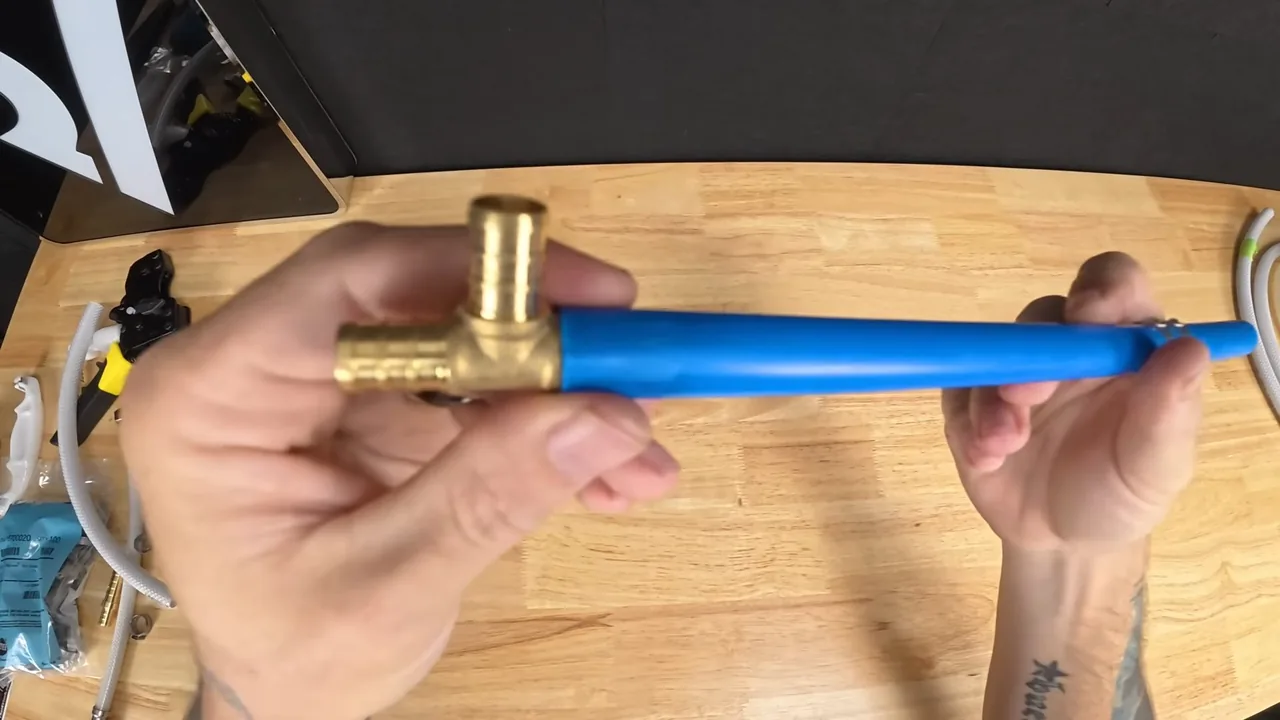
Burst pipe: what to do in the first minutes
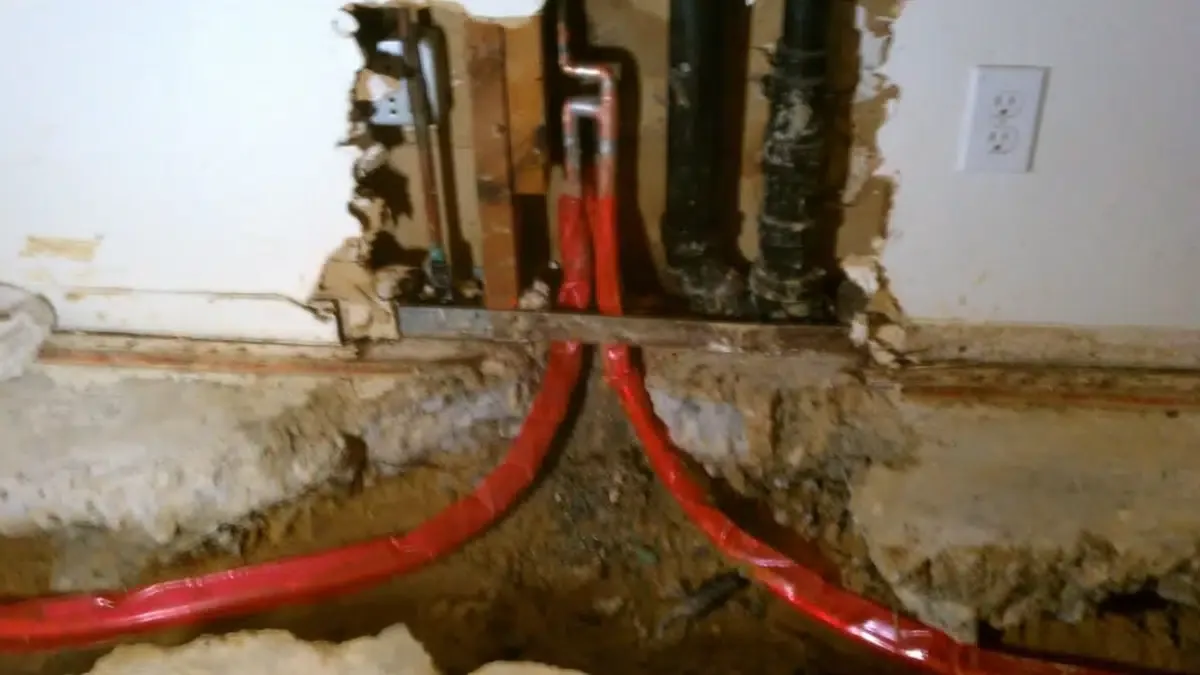
A broken pipe floods a house quickly, so the first move is to stop the flow. Close the main shutoff valve, which is the valve where the water line enters the house, then open a faucet at the lowest point to drain what remains in the pipes. Keep people away from electrical equipment that water may have reached, and move belongings out of the wet area. Take photos before anything is cleaned up.
Once the water is off, call the dispatch line and say where the break is and whether any ceiling has started to sag. A burst pipe in an accessible spot can be repaired the same visit. A break in a wall or under concrete may take a locating step first, which is covered under leaks beneath the floor. Wet drywall and flooring then need drying, which belongs to water damage cleanup.
Repair or repipe: how many leaks is too many?
Old pipes are prone to leaks, and premature wear on fittings and thin-walled sections is how it usually starts. A single leak in otherwise healthy pipe is a repair. The case for replacing pipe grows with each new failure, with the age of the pipe and with how hard each leak is to reach.
A good plumber asks about recent pipe repairs, meaning how many leaks the house has had, where they were and what the pipe looks like inside, because pinholes in several rooms point to the whole system rather than one spot.
| Situation | Usually points to | Ask the plumber |
|---|---|---|
| One leak at a joint or fitting, pipe otherwise sound | Repair | What caused the failure, and will it recur at the next joint? |
| Two or more pinhole leaks in a short period, in copper or galvanized pipe | Repipe the affected run or the whole house | Is the pipe corroding from inside, and where else is it thin? |
| Gray polybutylene pipe, with or without leaks | A repipe assessment | Which sections are polybutylene, and what is the plan for them? |
| A leak under the slab, with pipe in poor shape elsewhere | Reroute or repipe overhead | Is rerouting through walls practical, and what does it affect? |
Wondering if your pipes are due? Describe the leaks to the dispatcher.
Call the dispatch line: (480) 806-2944Which pipe do you have? Copper, galvanized, PEX or gray polybutylene
Knowing the pipe material decides most of the repair-or-repipe question. The table lists the common supply materials and what each tends to do as it ages.
| Material | How to recognize it | What it tends to do |
|---|---|---|
| Copper | Reddish-brown or green-crusted metal pipe | Can develop pinhole leaks from the inside as it wears or from water chemistry. |
| Galvanized steel | Dull gray metal with threaded joints | Rusts from the inside, narrowing the pipe and lowering pressure. |
| PEX | Flexible plastic, often red, blue or white | Generally forgiving; used for modern repipes. |
| CPVC | Rigid cream or yellowish plastic | Can turn brittle over time at fittings. |
| Polybutylene | Flexible gray plastic, often stamped Qest or PB, sometimes with copper crimp rings | Described by Arizona sources as widely used and known to leak. |
No source gives a year range for polybutylene in Ahwatukee, and nothing here says that your home has it. Housing in 85044 dates mostly to the 1980s and early 1990s, per Census data the Gilbert Sun News reported, while 85045 and 85048 skew later, so the question is worth asking in any of them.
Galvanized pipe: when pressure drops and water runs brown
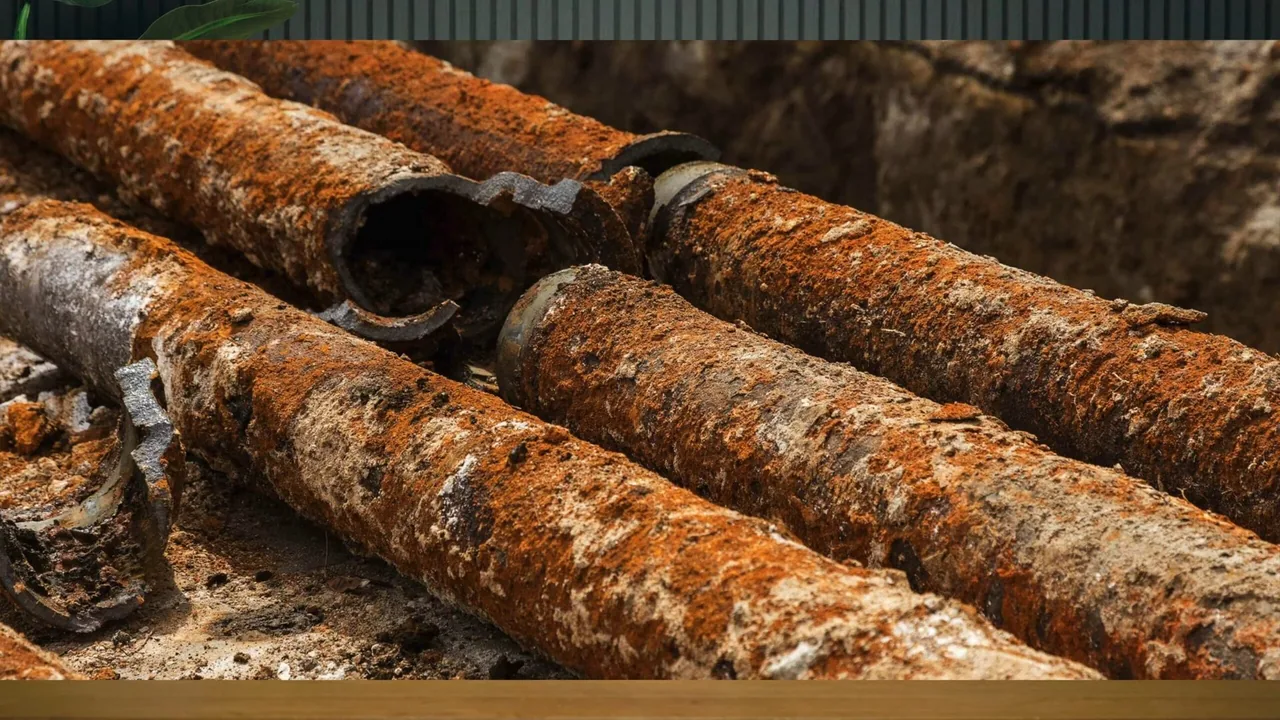
Galvanized steel pipe rusts from the inside, so it narrows over the years, pressure falls at the far fixtures and water can run brown after the line has sat idle. Because the pipe corrodes along its whole length, patching one spot rarely ends the trouble. If your pipe is galvanized, expect the plumber to recommend replacing the run rather than repairing one joint.
Copper pipe repair and whole-house copper repiping
Copper is repairable. A pinhole or a failed joint can be cut out and joined with a new fitting or a short section of new pipe, and that is a sensible answer when the rest of the line is sound. The trouble comes when pinholes keep appearing. That pattern means the pipe wall is thinning along its length, and each repair only moves the weak point down the line.
A whole-house repipe replaces the supply lines with new pipe, usually PEX or new copper, run through the walls, attic or crawl space. The plumber opens drywall in small access cuts, replaces the lines, tests them and patches the openings. Ask which material is proposed and why, how many access holes there will be, who patches them and what happens to the water supply during the job. Copper repiping and PEX repiping are both options, and the choice depends on the house.
Underground pipe repair: buried lines and lines under the slab
A pipe that runs through soil or concrete is harder to reach, and the first step is locating the leak rather than digging for it. A line under the slab may be repaired in place, rerouted overhead or replaced as part of a repipe, as described on the slab page. A line in the yard is the owner's to maintain, and its repair involves digging after the utilities have been marked.
Arizona 811 wants notice two full working days ahead of any dig, so buried utilities get marked. Let the plumber place the call. The plumber also asks about the pipe's material and any earlier repairs, because underground lines fail differently from lines in walls.
Repipe permits, walls, the attic and timing
A permit is not needed to stop a leak. A repipe replaces concealed pipe, which City of Phoenix rules count as new work, so a permit and an inspection apply. Ask who files, whether the plumber uses the online route and when the inspection will happen, since a failed or missed inspection holds up the patching.
Also handled on pipe calls: cast iron, PVC and CPVC repairs, pinhole leaks, PEX installation, and polybutylene replacement. Burst pipes at night go through the emergency plumber line.
Pinhole leaks: what they look like and what they mean
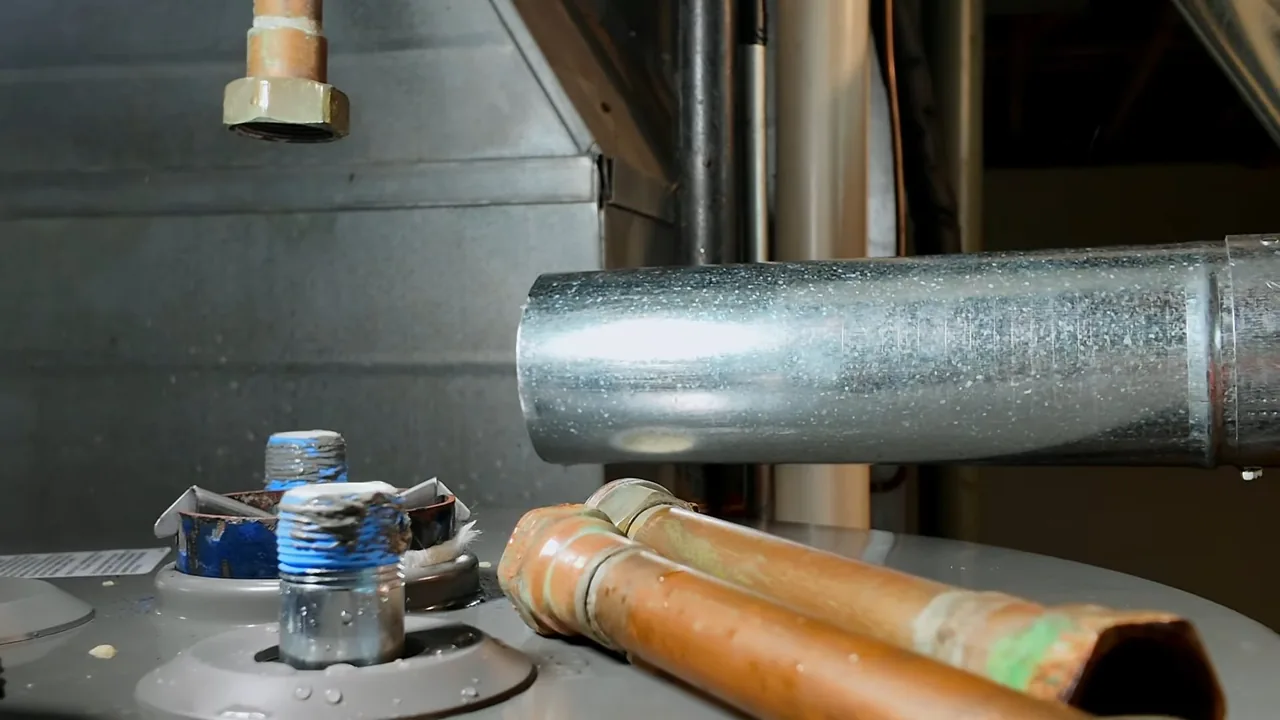
A pinhole leak is a tiny perforation that sprays a fine jet or weeps behind a wall. It shows as a green or white crust on copper, a small stain on drywall, a damp patch on a ceiling or an unexplained rise in the bill. One pinhole may be bad luck. A second or third in the same pipe run says the metal is failing from the inside, and that is the point to ask for a repipe estimate.
PEX, and why repipes often use it
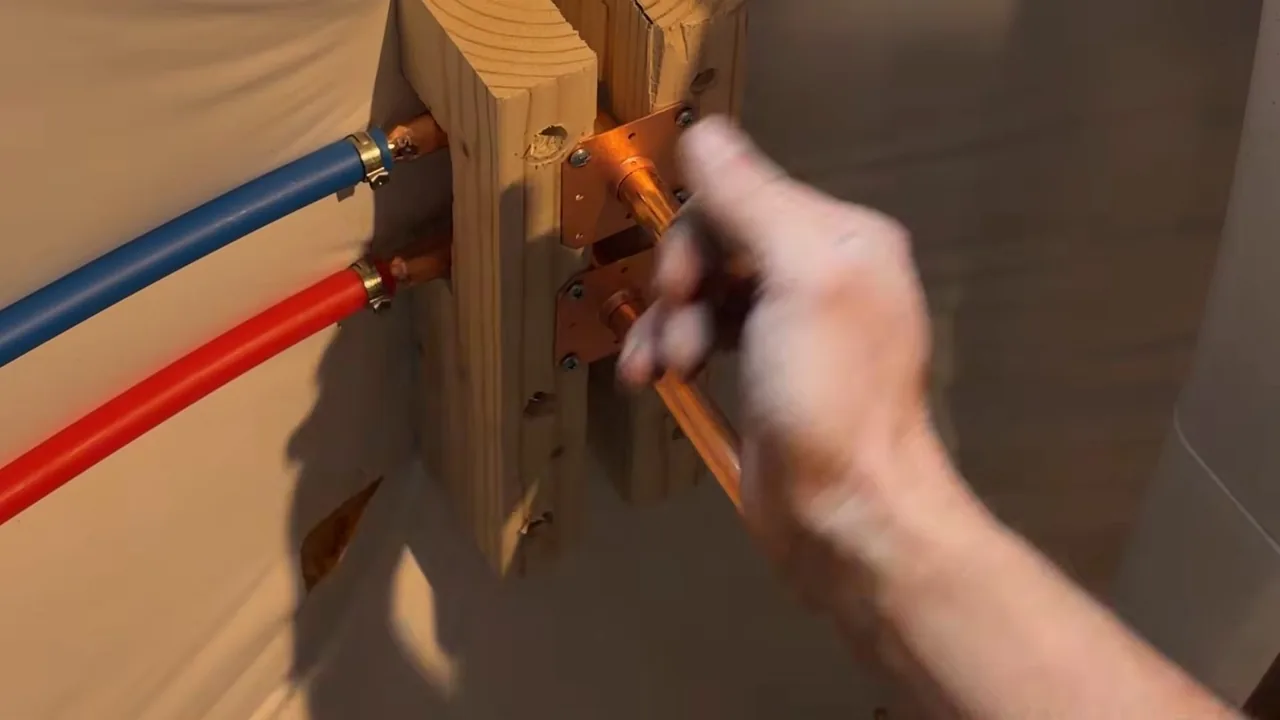
PEX is a flexible plastic pipe that bends around corners, needs fewer fittings than rigid pipe and does not corrode like metal. Plumbers often choose it for repipes because it runs through walls and attics with fewer openings. It is not right for every spot, so ask where the plumber would use it, where copper would stay and what the manufacturer's warranty covers.
Pipe questions answered
Is galvanized pipe a problem?
It is a problem as it ages, because it corrodes from the inside, narrows and lowers pressure, and it can leak at threaded joints. If your pipe is galvanized and you see rust-colored water or weak flow at far fixtures, ask the plumber to inspect the run and talk about replacing it.
What do I do if a pipe bursts?
Close the main shutoff valve, open a faucet at the lowest point to drain the line, keep people away from wet electrical equipment, and take photos. Then call the dispatch line and say where the break is and whether a ceiling is sagging.
What about a leak in a pipe under the slab or in the yard?
It starts with locating the leak, since digging blindly is costly. A line under the slab may be repaired, rerouted or replaced. A yard line involves digging after Arizona 811 has marked buried utilities, which needs two full working days of notice.
Can a copper pipe be repaired, or does it need to be replaced?
A single pinhole or joint failure in sound copper can be repaired. Repeated pinholes mean the pipe is thinning, and a longer section or the whole house may need new pipe. Ask the plumber what the failed pipe looked like inside.
Burst pipe or pipes that keep leaking? Call now.
Say where the water is coming from and whether you have closed the main valve. A plumber serving your area is routed to the address, and license details are available on request before work begins.
Call (480) 806-2944