AP.
Water heater repair · Ahwatukee, AZ
Water Heater Repair | in Ahwatukee, AZFind the fault first, then decide whether to fix or replace
Many people assume a water heater that stops heating is finished, but a failed element, igniter or thermostat is often the cause and is repairable. Ahwatukee adds a wrinkle: the City of Phoenix 2025 water report lists hardness of 10 to 17.6 grains per gallon, and scale inside a tank changes the repair-or-replace decision.
Call (480) 806-2944 ›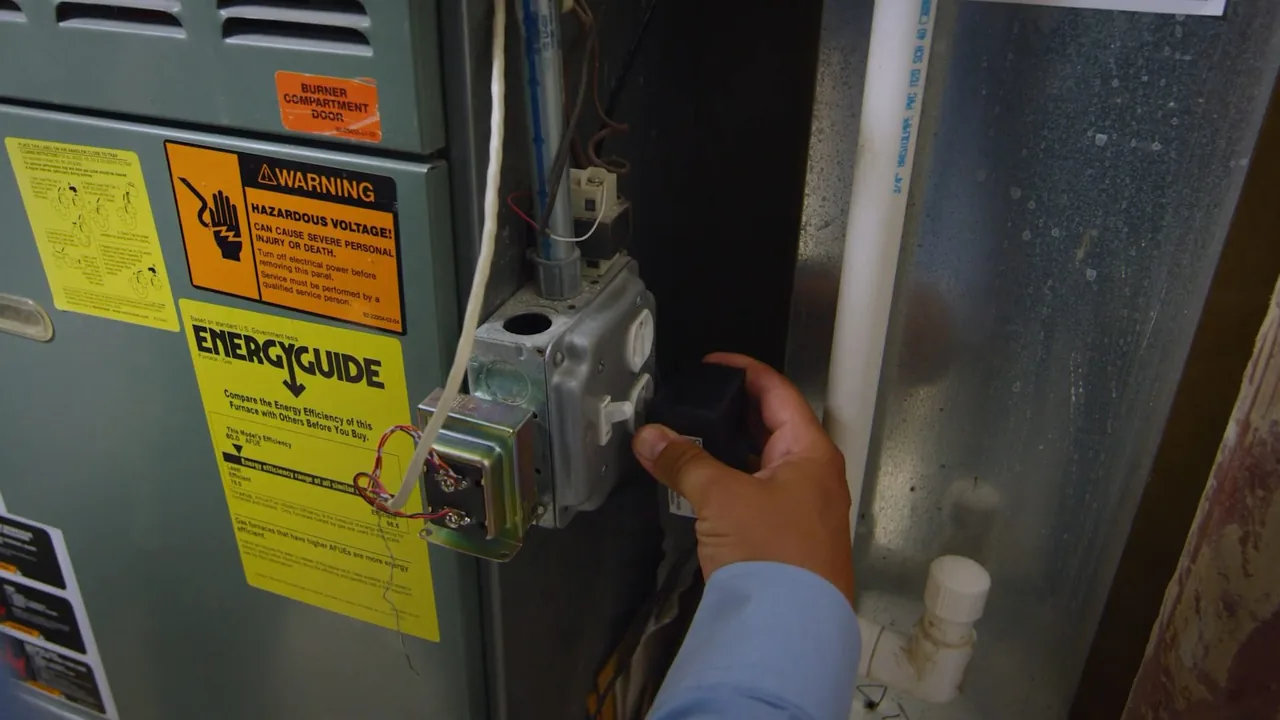
No hot water, lukewarm water or a leak: where the problem comes from
Three complaints cover most water heater calls, and each points to a different part of the system. The table sorts them by what you notice, what usually causes it and the first safe check.
| What you notice | Likely cause | First safe check |
|---|---|---|
| No hot water at all, only cold water at the hot tap | Gas: pilot or igniter out, or a failed thermocouple or flame sensor. Electric: tripped breaker, failed element or tripped high-limit switch. | Gas: look for a lit pilot or igniter indicator without touching the gas control. Electric: confirm the breaker is on. |
| Water warms but never gets hot, or runs out fast | A failed lower element, a thermostat set low, or a tank full of sediment that takes up heating room. | Compare the thermostat setting with what you expect, and note how long the hot water lasts. |
| Water on the floor around the heater | A loose fitting, a dripping relief valve or a leak from the tank body. | Look for where the water starts, and close the cold-water valve above the heater if it keeps flowing. |
| Popping or rumbling while it heats | Sediment on the bottom of the tank, with steam bubbling through it. | Note when the noise happens; the fix is usually a flush. |
A water heater service call for pilot, igniter, burner, thermostat or element problems is a repair in most cases, and they are usually quicker to diagnose than to describe. A leak from the tank itself is a different matter, covered below. Same-day or after-hours repair calls are taken through the emergency plumber line.
Ahwatukee gas water heaters and electric ones: what fails on each
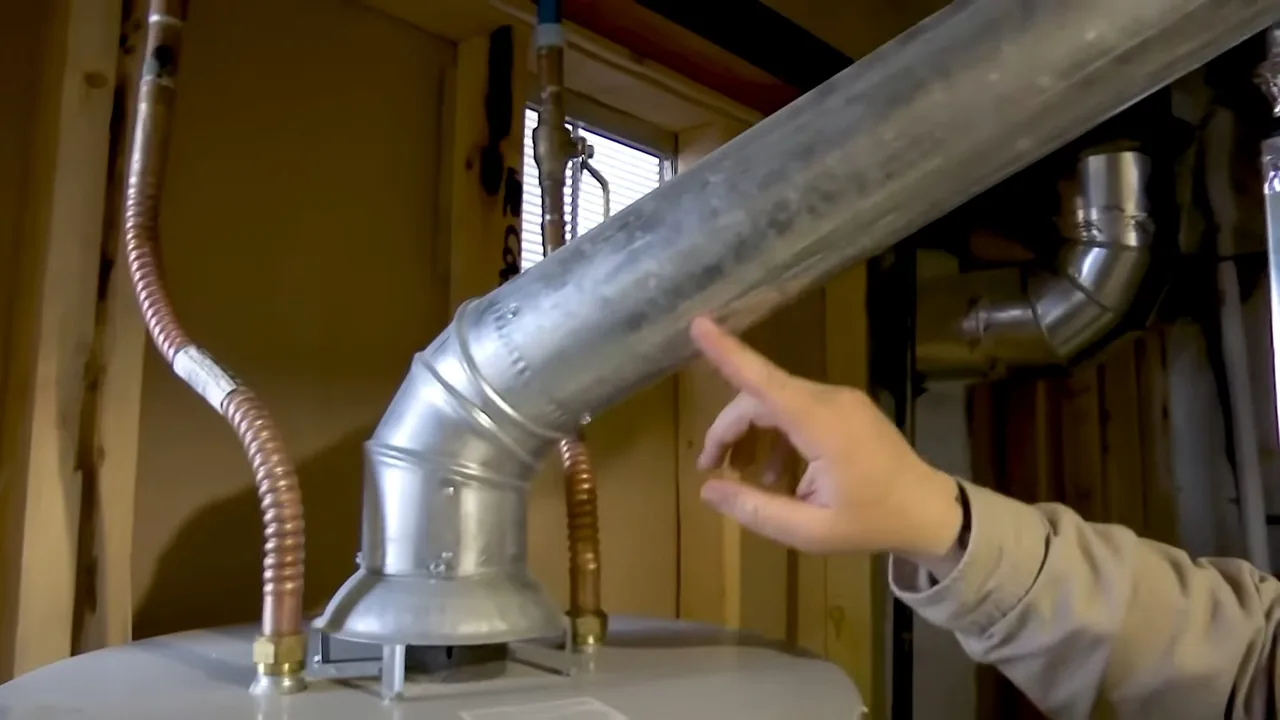
A gas heater heats from a burner at the bottom, lit by a pilot or an electronic igniter and watched by a thermocouple or flame sensor. When any of those fail the burner shuts off, and the heater stays cold. The gas control valve, the vent and the draft hood also fall in this group, and a plumber who works on them checks for proper combustion air and a clear vent.
An electric heater has two heating elements, one near the top and one near the bottom, each controlled by a thermostat, plus a high-limit switch that trips when the water gets too hot. A failed lower element gives lukewarm water, a failed upper element can leave no hot water, and a tripped high-limit switch can look like a dead heater. Both types share the same tank, anode rod and relief valve, so water-side problems look alike.
Not sure whether yours is a repair? Describe the symptom to the dispatcher.
Call the dispatch line: (480) 806-2944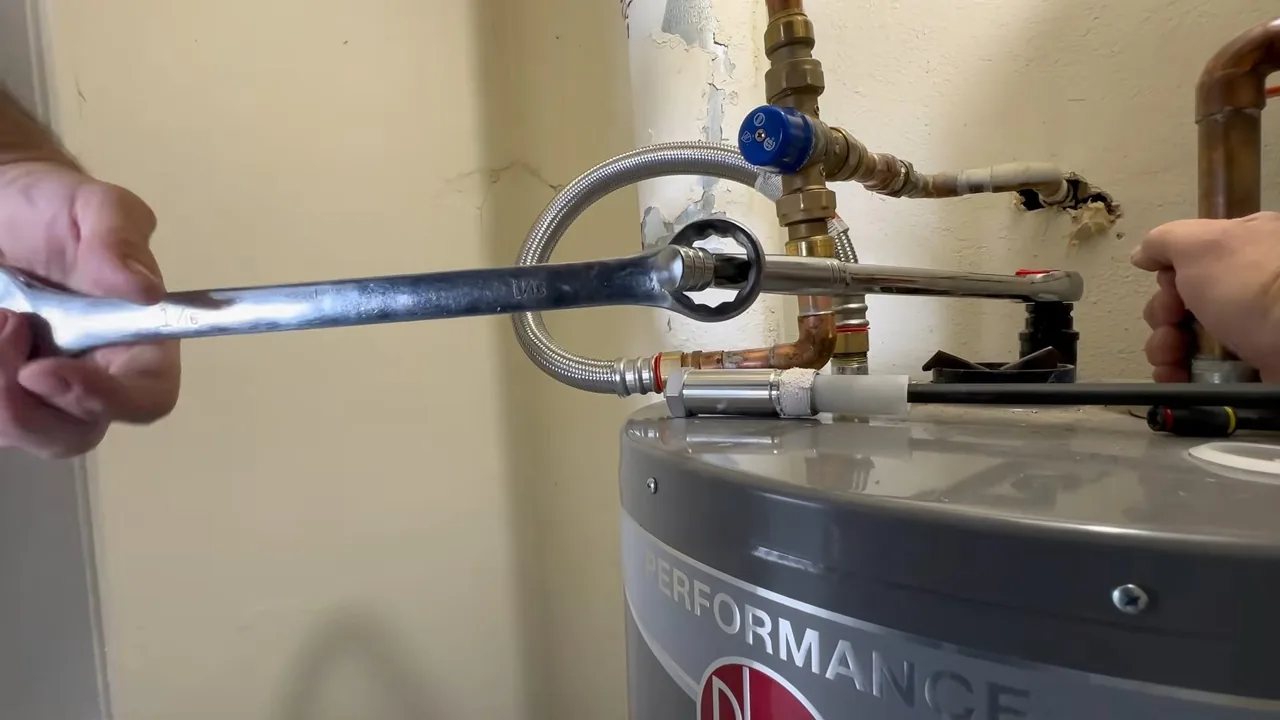
A leaking tank: repair or replace?
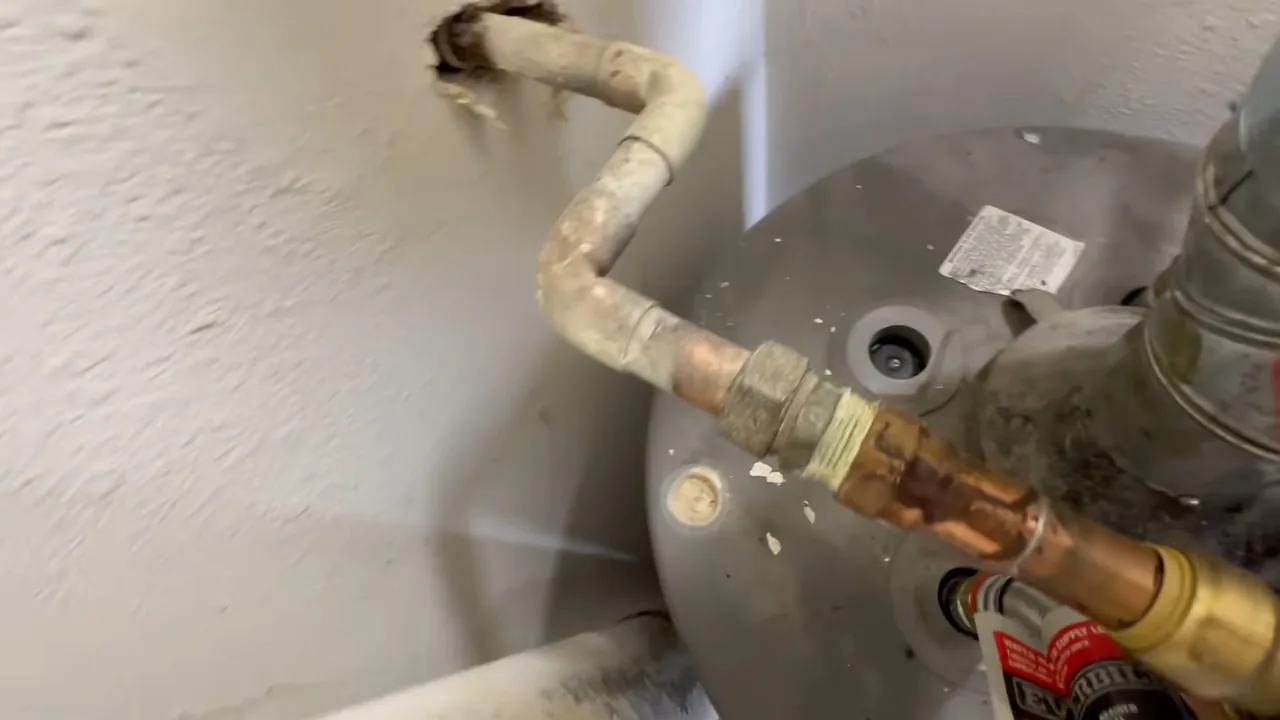
Where the water comes from decides the answer. A loose connection, a failed drain valve or a dripping relief valve can be repaired in a visit. A leak that runs from the tank body or seam is a failed tank, since the steel has corroded through, and no patch will hold. The sooner the supply is closed, the less damage the floor takes. For the replacement path and what it involves, see replacing a water heater.
Flush, sediment and the anode rod: what maintenance does in hard water
Hard water leaves scale. Minerals settle on the bottom of the tank and coat electric elements, which shortens the life of both. A flush drains water and sediment from the lowest valve to clear some of it, and many makers recommend doing it yearly. An anode rod is a sacrificial metal rod inside the tank that corrodes in place of the tank walls. Once it is mostly gone, the tank itself starts to corrode, so checking the rod before it is spent can extend the tank's life.
A flush on a long-neglected tank can loosen debris that clogs the drain valve, so ask the plumber how it will be handled. If scale is a recurring problem, see softeners and scale reducers for the options and what each does.
When the repair costs more than the heater is worth
A repair makes sense when the tank is sound and the failed part is simple to reach. It makes less sense when the tank is old, when the same heater has needed several repairs, or when the cost of the part and labor approaches that of a new unit.
Give the age on the call even if it is only an estimate, such as almost 15 years old, and ask for the exact age from the serial number, ask what else on the heater is likely to fail soon, and ask what the replacement would involve.
Housing age is a clue and not an answer. Homes in 85044 skew toward the 1980s and early 1990s in the Census-based figures the Gilbert Sun News reported, which says nothing about when your own heater went in. The data plate does.
Safety first: gas smell, a hot discharge pipe and scalding water
A temperature and pressure relief valve opens to release excess heat or pressure, and its discharge pipe should run to a safe place. Water that drips from the valve is a sign to call, not a reason to cap it: capping a relief valve removes the safety it provides. City of Phoenix inspectors check that the relief line is routed to the exterior and that full-way valves are fitted at the heater and the house inlet, so ask the plumber to confirm those items whenever work touches them.
Scalding is the other risk. Water hot enough to burn skin in seconds can come from a thermostat set too high or a failed mixing valve, and children and older adults are hurt first. If water at a tap is painfully hot, turn the thermostat down and call.
Also handled on water heater calls: no hot water, noise and rumbling, thermostat and element replacement, pilot and igniter work, and checking whether an electric heater has tripped its safety switch.
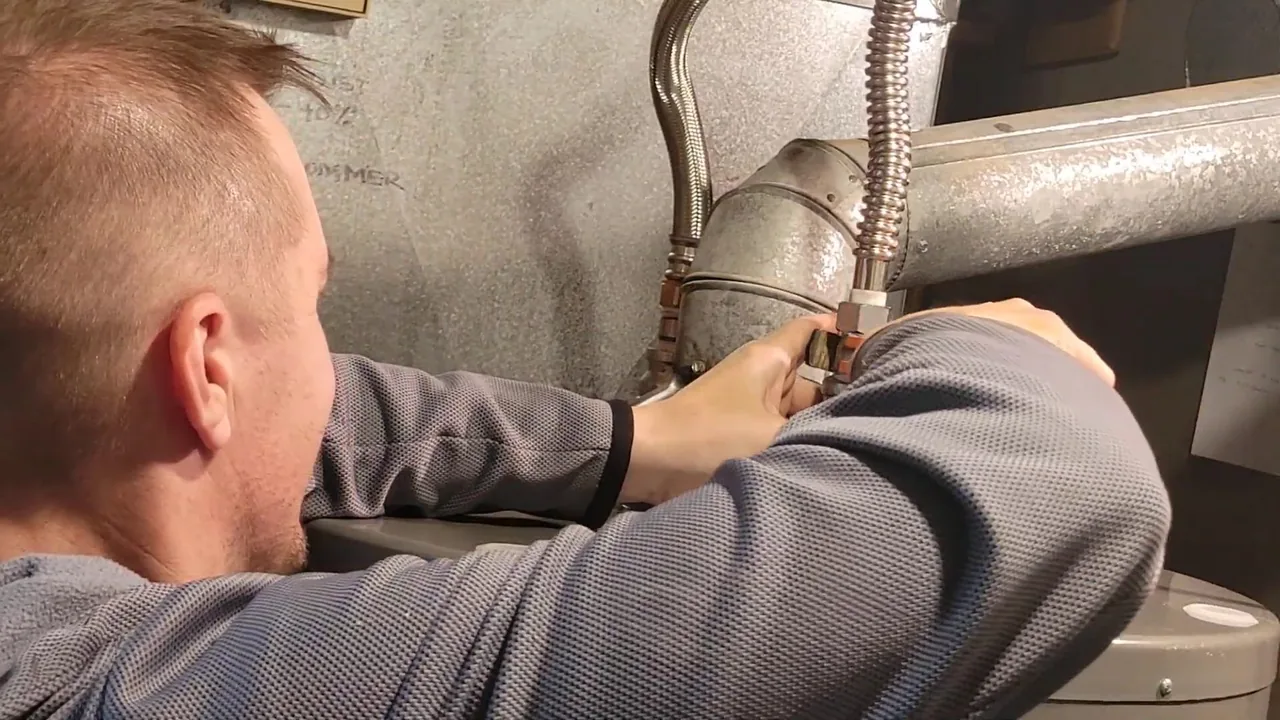
What the plumber should tell you before a part is ordered
A good diagnosis ends with specifics: which part failed, how it was tested, whether the tank passed its checks, and what else is worth replacing while the heater is open. Ask for the age and model of the heater, whether the part is available and how long it takes, and what you should expect if the repair does not hold. Keep the notes with the heater's paperwork for later.
Water heater questions answered
What causes a water heater tank to leak?
Leaks start at fittings, valves or the tank body. Fittings and valves can be tightened or replaced. A tank-body leak means the steel has corroded through, often after the anode rod is used up and sediment has built up, and the tank needs replacing. Look for where the water starts before you call.
Why is there no hot water?
If you are getting only cold water and suspect a repair is the answer, you are often right when the tank is sound. On a gas heater, check whether the pilot or igniter is working; a failed thermocouple or flame sensor shuts the burner off. On an electric heater, check the breaker and the high-limit switch, then consider a failed element. Not every cause is repairable on your own, and a gas smell means leaving the building and calling the gas utility.
How does hard water affect a water heater?
Scale settles on the tank bottom and coats electric elements, which makes the heater work harder and can shorten its life. Phoenix's 2025 water quality report gives hardness as 10 to 17.6 grains per gallon, so a yearly flush, an anode rod check and a conversation about a softener are reasonable here.
Who fixes water heaters?
A licensed plumber does, and gas work in particular should be done by one. Calls to the dispatch line are routed to a plumber serving your area. Ask for license details before work begins, and you can search a contractor by name or license number on the Arizona Registrar of Contractors site.
Can my water heater be repaired, or does it need replacing?
If the tank is sound and the failed part is a thermostat, element, igniter or valve, repair is often practical. If the tank leaks, is far past its expected life or has needed repeated repairs, replacement usually makes more sense. Ask the plumber to explain which applies and why.
No hot water or a leaking heater? Call the dispatch line.
Say whether the heater is gas or electric, what it is doing and whether water is on the floor. A plumber serving your area is routed to the address, and license details are available on request before work begins.
Call (480) 806-2944